
Residential Steam Rooms & Private Spa Construction

Custom Steam Rooms in Pittsburgh, PA

Bring the atmosphere of a private spa into your own property. Pittsburgh Custom Saunas creates dedicated steam rooms and custom steam showers, combining tiled interiors, enclosed wet-heat environments and carefully planned steam-generating equipment.

On-site consultations throughout Greater Pittsburgh.

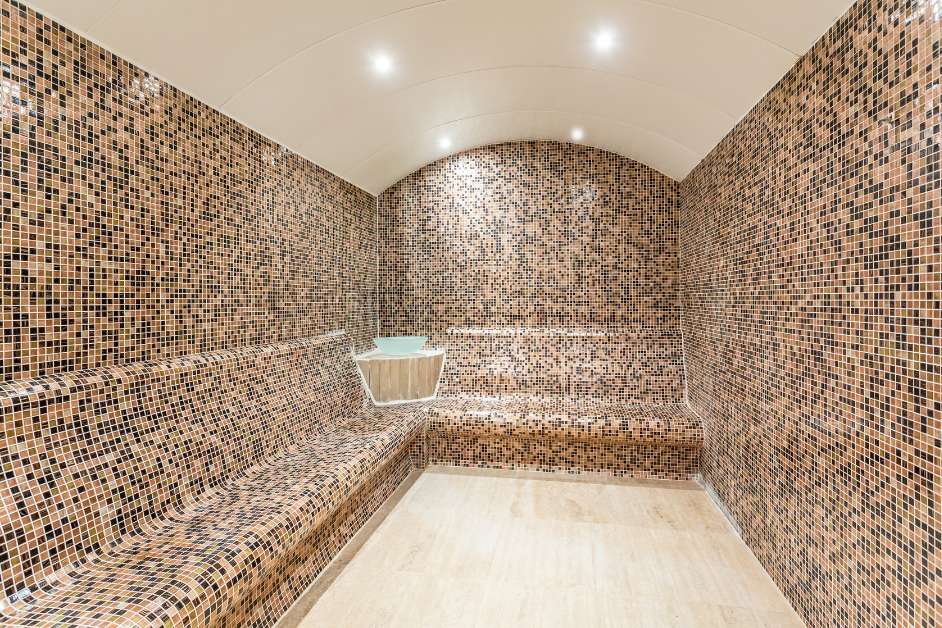
Architectural tiled steam room interior
A Different Kind of Heat

What Is a Custom Steam Room?

A custom steam room is an enclosed space designed to contain warm, humid air produced by a steam generator. Its walls, ceiling, floor, door and finishes are constructed specifically for sustained exposure to heat and moisture.

Unlike a traditional wood-lined sauna, a steam room typically incorporates ceramic tile, porcelain, suitable stone or other finishes compatible with a steam enclosure.

Pittsburgh Custom Saunas provides custom steam room design and construction for homeowners throughout Greater Pittsburgh. Projects may include dedicated steam enclosures or steam showers integrated into a larger bathroom renovation.

Residential Spa Design

Two Ways to Bring Steam Into Your Home

A dedicated steam room and a combination steam shower can provide similar wet-heat experiences, but their layouts and construction requirements differ.

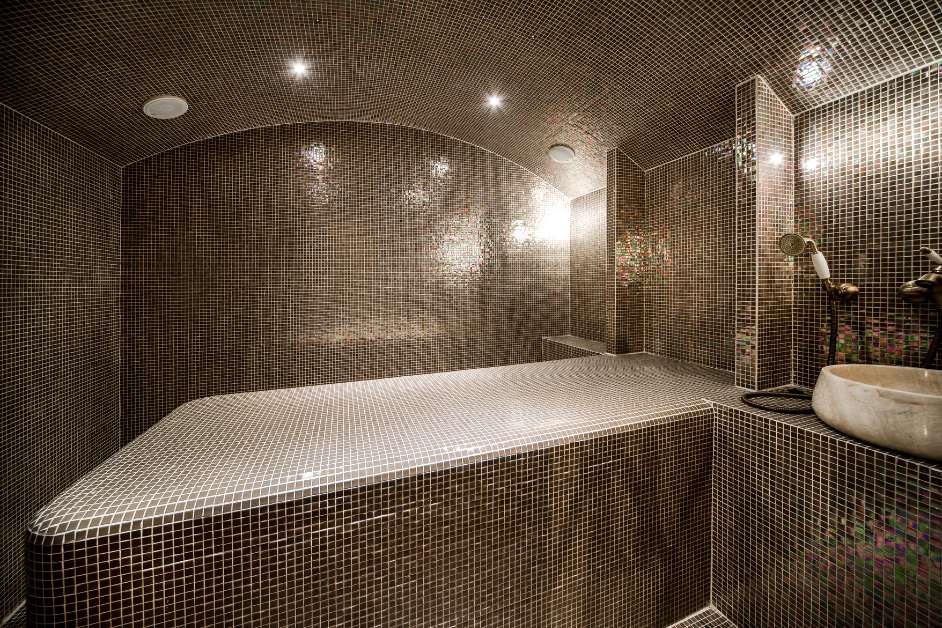
Dedicated tiled steam room design inspiration
A Separate Spa Environment

Dedicated Custom Steam Rooms

A dedicated steam room is designed primarily for seated relaxation rather than everyday showering. Its dimensions and layout can accommodate individual seating preferences, integrated benches and architectural finishes.

  • Custom tiled seating and bench configurations.
  • Enclosed room with a compatible steam door.
  • Steam generator and control system planning.
  • Integration into a private wellness suite.
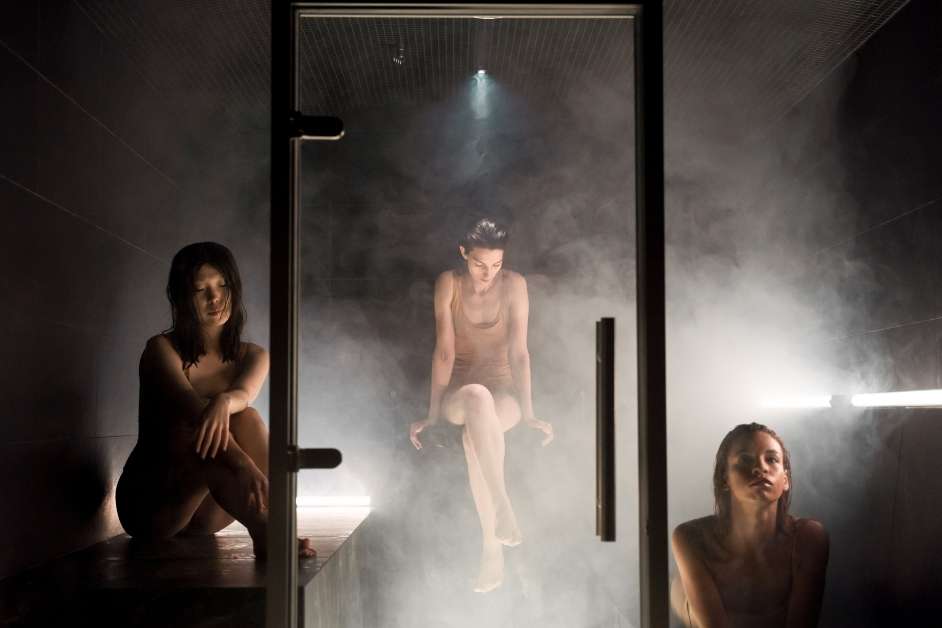
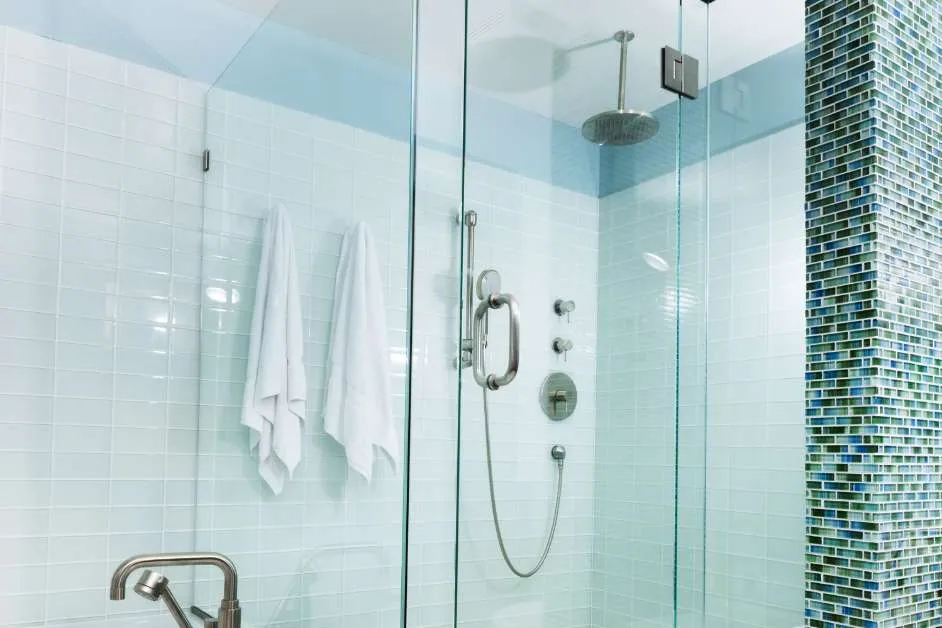
Tiled residential steam enclosure design inspiration
Integrated Bathroom Design

Custom Steam Showers

A steam shower combines conventional shower functionality with a steam-generating system inside an enclosure designed for both uses. It can be an attractive option when renovating a primary bathroom without allocating an entirely separate room to steam bathing.

  • Shower fixtures and steam equipment integration.
  • Appropriate ceiling and enclosure construction.
  • Built-in seating where space permits.
  • Tile, glazing and bathroom finish coordination.

Photographs illustrate steam enclosure designs and interior construction possibilities.

Construction Beneath the Tile

Why a Steam Room Is More Than a Tiled Shower

Tile is the visible finish, not the entire moisture-control system. A steam enclosure needs a coordinated construction assembly capable of managing both liquid water and water vapor.

01

Waterproofing and Vapor Control

The enclosure requires a suitable membrane system designed for steam exposure. Material compatibility, seams, corners and transitions are essential considerations.

02

Ceiling and Condensation

Steam condenses when it contacts cooler surfaces. Ceiling geometry and finish detailing should account for condensation and the intended steam bathing experience.

03

Floor Drainage

Floor construction, drainage connections and appropriate surface slopes help manage water generated during use and routine cleaning.

04

Tile and Surface Materials

Finish selections should account for moisture exposure, cleaning requirements, slip resistance and compatibility with the complete steam room assembly.

05

Doors and Penetrations

Steam-rated doors, equipment openings, lighting fixtures and plumbing penetrations need suitable detailing without compromising the enclosure's moisture-control system.

06

Drying Between Sessions

The enclosure and adjoining bathroom should have an appropriate drying strategy. Ventilation arrangements must be coordinated with the intended steam room operation.

The Equipment Behind the Experience

How Is a Steam Generator Selected?

Steam generator selection begins with the enclosure's volume, wall materials, ceiling height and other characteristics that influence heating requirements.

The generator typically sits outside the steam enclosure in a compatible, accessible location. Water supply, electrical power, steam piping and maintenance access must be considered before finishes are installed.

Correct sizing and equipment compatibility are determined using the manufacturer's specifications for the proposed enclosure.

Discuss Your Steam Room Requirements

Equipment Planning Considerations

Generator Capacity

Room dimensions, ceiling height, exterior walls and finish materials influence equipment sizing.

Generator Location

Installation must accommodate the manufacturer's clearance, environmental and service-access requirements.

Steam Outlet and Controls

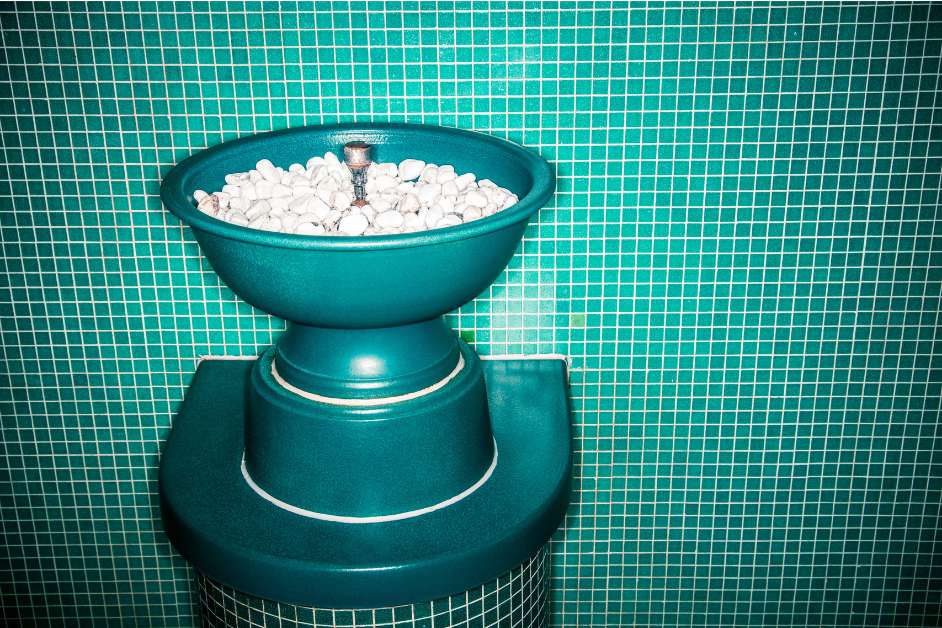
Steam-head placement and compatible controls need to follow equipment instructions and account for occupant safety.

Water Quality and Maintenance

Water mineral content and manufacturer maintenance requirements influence ongoing equipment care and descaling needs.

Electrical and Plumbing Preparation

Required connections should be completed by qualified trades, with responsibilities established in the written project scope.

Choosing Your Wellness Environment

Steam Room vs. Traditional Sauna vs. Infrared Sauna

These three environments provide different forms of heat and require different construction methods. Understanding those distinctions helps determine which room belongs in your home.

Swipe horizontally to compare all three options.

Feature Steam Room Traditional Sauna Infrared Sauna
Heating Method Steam generator Electric or wood-burning sauna heater Infrared radiant emitters
Humidity Very high humidity Generally low, with temporary increases when water is added to compatible stones Generally low humidity
Interior Materials Tile, suitable stone and wet-area finishes Sauna-compatible wood and other suitable materials Wood and materials compatible with infrared equipment
Water Supply Required for steam generation Permanent plumbing is not always necessary Normally not required for heating
Primary Construction Focus Waterproofing, vapor control and drainage Insulation, ventilation and heat management Emitter placement and radiant heating design
Explore Service Custom steam rooms Indoor saunas Infrared saunas

Actual equipment and construction requirements depend on the selected system and property conditions.

Understanding the Construction Budget

How Much Does a Custom Steam Room Cost in Pittsburgh?

The cost of a custom steam room depends on the enclosure size, waterproofing and vapor-control system, steam generator, tile selections, plumbing requirements and existing property conditions.

Adding steam capability during a planned bathroom renovation may involve a different scope from rebuilding an existing shower that was not originally designed for steam.

A project-specific estimate should identify the steam enclosure construction, equipment and any associated preparation or trade work.

Request a Steam Room Estimate
Enclosure Size

Floor area, ceiling height, seating configuration and interior geometry.

Existing Conditions

Demolition, framing, substrate condition and the suitability of existing construction.

Moisture-Control System

Membranes, compatible construction materials and detailing around penetrations.

Steam Equipment

Generator specifications, controls, steam outlets and optional features.

Interior Finishes

Tile, stone, custom benches, glazing and architectural detailing.

Utility Preparation

Plumbing, drainage, electrical capacity and access to the generator location.

Pittsburgh & Surrounding Communities

Private Steam Room Construction in Greater Pittsburgh

Whether your project is part of a bathroom renovation in an established Pittsburgh home, a new primary suite in the North Hills or a dedicated wellness area in the South Hills, the existing plumbing, room configuration and proposed generator location deserve consideration before construction begins.

We come to your property to discuss the proposed steam enclosure and its integration into the surrounding building.

View Our Complete Service Area
Steam Room Construction FAQs

Questions to Ask Before Installing a Steam Room

Who builds custom steam rooms in Pittsburgh?

Pittsburgh Custom Saunas provides custom steam room and steam shower construction services for homeowners throughout Greater Pittsburgh, with projects planned around the enclosure, interior materials and steam-generating equipment.

Can my existing shower be converted into a steam shower?

Some existing showers can be converted, but ordinary shower construction is not automatically suitable for steam exposure. The ceiling, waterproofing, vapor control, door, drainage and equipment connections must be evaluated. Substantial reconstruction may be necessary.

Where is the steam generator installed?

A steam generator is typically installed outside the steam enclosure in an accessible location that satisfies the manufacturer's environmental, clearance and maintenance requirements. The location must also accommodate the necessary utility connections and steam piping.

Is porcelain tile suitable for a residential steam room?

Suitable porcelain tile can be used in a residential steam room when it is compatible with the complete installation system and intended application. Tile alone does not provide the required waterproofing and vapor-control assembly.

Does a steam room need a sloped ceiling?

Ceiling design should account for condensation and the applicable construction system requirements. A sloped ceiling can help direct condensation toward walls rather than allowing it to drip directly onto occupants. The appropriate configuration depends on the project.

Can a steam room have a glass door or glass wall?

Yes. Suitable glazing and steam-compatible door systems can be incorporated into a custom steam enclosure. Glass area, seals, hardware, safety glazing requirements and generator sizing should be considered together during design.

Can I install a steam room in my basement?

A basement may accommodate a steam room if its moisture conditions, drainage, electrical infrastructure, plumbing access and ventilation arrangements are suitable. Existing dampness and other building issues should be evaluated before construction.

Does a home steam room require regular maintenance?

Yes. A steam room requires routine surface cleaning, drying between uses and steam generator maintenance according to the equipment manufacturer's instructions. Water quality can influence mineral buildup and descaling requirements.